The Cooler Full of Ice Isn't a Recovery Plan

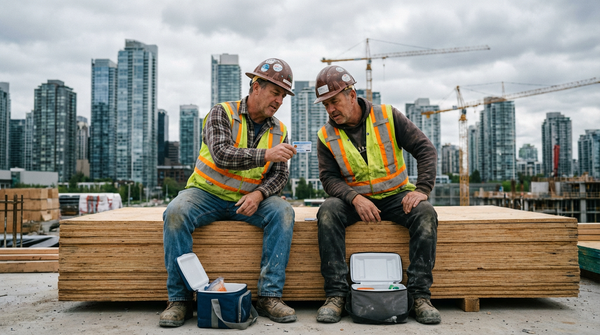
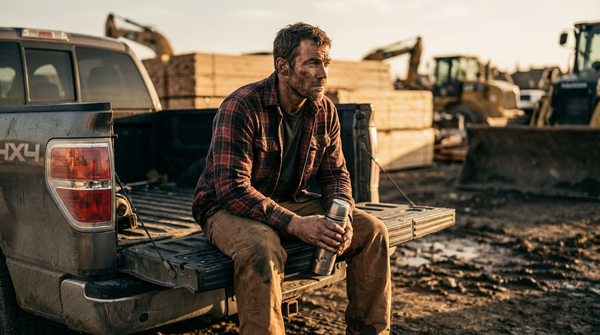
There's a ritual at the end of a hot day on site. The tools get packed, the cooler comes out, and something cold hits your hand before you've even taken your boots off. I'm not here to take that away from anyone. A cold drink after eight hours in the July sun is one of the honest pleasures of working outside.
But I want to make a distinction that matters more in summer than any other time of year: the difference between what feels like recovery and what actually is recovery.
A cold drink cools the readout. It doesn't restore the system.
What a Hot Workday Actually Takes Out of You
On a 28-degree day, a man doing physical work can sweat out two to three litres before lunch. That's not just water. It's the minerals your muscles and nerves run on. Your heart works harder all day just moving blood to your skin to dump heat, which means everything else runs on a reduced budget: digestion, repair, focus.
Then the day ends and the body has a repair bill to pay. It pays that bill through three channels: fluids, food, and sleep. If those three don't happen properly, the bill rolls over to tomorrow. And the day after. By Thursday, it's compounding.
I see the Thursday pattern in my clinic every summer. Low backs that were fine on Monday. Shoulders that tighten up by mid-week and don't loosen until Sunday. Guys who tell me they're sleeping eight hours but waking up feeling like they slept four. That's not aging. That's a recovery deficit running all week.
The Ice Problem Nobody Talks About
Here's the part that sounds backwards, so stay with me.
In Traditional Chinese Medicine, digestion runs on warmth. Your gut is essentially a slow cooker. After a hot day, your body has spent hours pushing blood outward to the skin to cool you down, which means your digestive system has been running underpowered since morning. Then we hit it with a litre of near-frozen liquid, and we ask it to process dinner on top of that.
The result is the heavy, bloated, done-for-the-night feeling a lot of guys chalk up to being tired. Some of that is the day. Some of it is the ice.
I'm not telling anyone to drink warm beer. I'm saying the cold stuff should be the treat, not the hydration plan. Room-temperature water through the shift does more for you than anything in the cooler at 4:30. Your body absorbs it faster and doesn't have to spend energy warming it up first.
The Honest Part About Beer
One or two beers after work isn't the problem, and I'd lose every reader I have if I pretended otherwise.
The problem is when beer is doing three jobs: the reward, the hydration, and the sleep aid. It's genuinely good at the first one. It fails at the other two.
Alcohol is a diuretic, so it pulls out more fluid than it puts in. On a day you're already down two litres, that's moving in the wrong direction. And while it helps you fall asleep, it fragments the second half of the night. That 3 a.m. wake-up where you're staring at the ceiling until the alarm? That's the beer from seven hours earlier finishing its work. The deep, repair-heavy sleep your body needed after a hard day never fully happened.
String five of those nights together and you get the Thursday pattern.
What Recovery Actually Looks Like
None of this is complicated. It's the same logic you apply to equipment.
Water during the shift, not just after it. By the time you're thirsty, you're already behind. If you're sweating hard, plain water isn't enough on its own. You need the salt and minerals back too. A pinch of salt in your water or an electrolyte mix does what three sports drinks full of sugar are pretending to do.
Eat a real meal at the end of the day. Your body repairs tissue overnight using what you gave it that evening. Chips and a couple of beers is not building material.
Protect the first half of your sleep. That's when the deepest repair happens. Cool room, and if you're drinking, drink earlier rather than later so your body has cleared it before the important part of the night.
Get treatment before the deficit becomes an injury. This is where I come in. Acupuncture is effective at breaking the cycle where tight, overworked tissue stops recovering on its own. I trained in China with a rotation in an orthopaedics department, and the guys I treated there were farmers and labourers dealing with exactly this: bodies that worked hard in the heat and stopped bouncing back. The medicine was built for it.
The Guys Who Finish the Season Strong
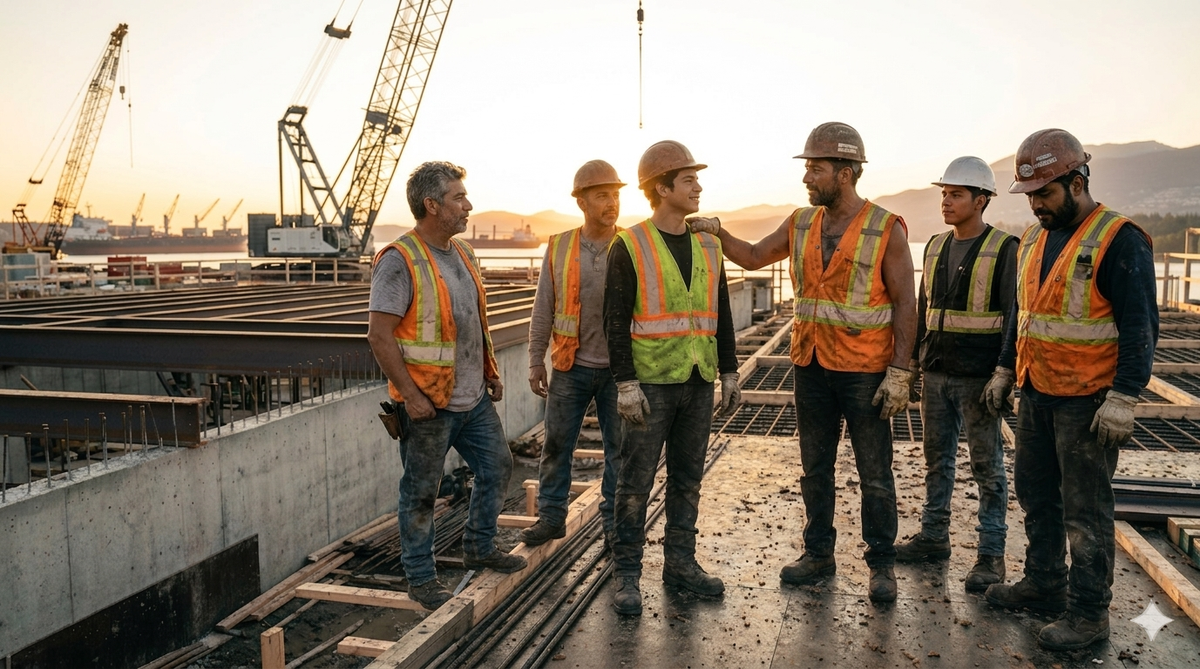
Every summer I watch two versions of August happen. Some guys limp into it, running on accumulated deficit, hoping the body holds until the weather breaks. Others treat recovery like part of the job, the same way they wouldn't run a machine all season without servicing it.
The second group isn't tougher. They're just running a better system.
If your body has stopped bouncing back the way it did in May, that's worth a conversation. I offer a free 15-minute consultation, no pressure and no commitment. Evening appointments are available, and most extended health plans cover acupuncture with direct billing, so there's usually little or nothing out of pocket.
Book at hardhathealthcare.com.
This information is for educational purposes only and does not replace consultation with a qualified healthcare provider. Individual results vary. If you have a health concern, talk to your doctor or a licensed practitioner.